


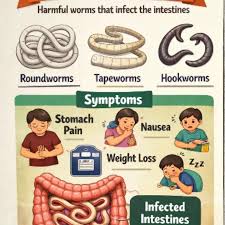
Public health experts now stress that residents of polluted environment need deworming twice yearly to protect their health from parasitic worms. Doctors say that people who live in places with poor sanitation and polluted surroundings face a high risk of worm infections that can damage their bodies over time. These experts warn that ignoring deworming lets parasitic worms stay in the body for years, slowly harming key organs and weakening overall health.
https://caliphatebroadcast.com/rising-lassa-fever-toll-in-benue/
Health specialists explain that worms such as roundworm, whipworm, and hookworm live in the intestines and can grow without obvious symptoms. These parasites quietly rob essential nutrients, impair immunity, and reduce energy. They recommend that everyone should take deworming medication at least once a year, but they stress that residents of polluted environment need deworming twice yearly because the risk there runs higher.
Doctors tell PUNCH Healthwise that these worms cause serious conditions like anaemia, malnutrition, intestinal inflammation and obstruction, and diarrhoea when someone carries them for a long time. They say worms also affect how the body absorbs food and nutrients, which can slow growth in children and weaken adults. People in polluted neighbourhoods face more exposure because dirt, waste and poor hygiene boost worm spread.
The physicians also explain that the frequency of deworming depends on how common worm infections are in a community. They say the World Health Organisation sets guidelines for mass treatment in places where worm infections are widespread. These guidelines recommend regular treatment for those at risk, including residents of polluted environment need deworming twice yearly.
In Nigeria, health ministries work each year to deworm school-aged children to fight infections like soil-transmitted helminthiasis and schistosomiasis. But experts point out that adults in high-risk zones — including farmers, food handlers, and people living in unsanitary areas — must also follow more frequent treatment plans because they can carry worms without noticing. Regular deworming helps clear parasites and lowers the chance of serious health problems.
Public health practitioners also remind people that living conditions influence worm infection risk. Poor sanitation, lack of clean water, and garbage buildup help worms spread from person to person or through contaminated soil and food. That is why residents of polluted environment need deworming twice yearly, even if they feel healthy. Doctors say early treatment can stop long-term damage and improve nutrition, immunity and quality of life across communities.
In children, untreated worm infections can stunt growth, weaken memory, and hurt school performance. In adults, worms can reduce work capacity and lead to fatigue, iron deficiency anaemia, and other health issues. By following deworming guidelines, families and communities can cut rates of infection and protect vulnerable groups. The message from health experts is clear: residents of polluted environment need deworming twice yearly to stay healthy and strong.