


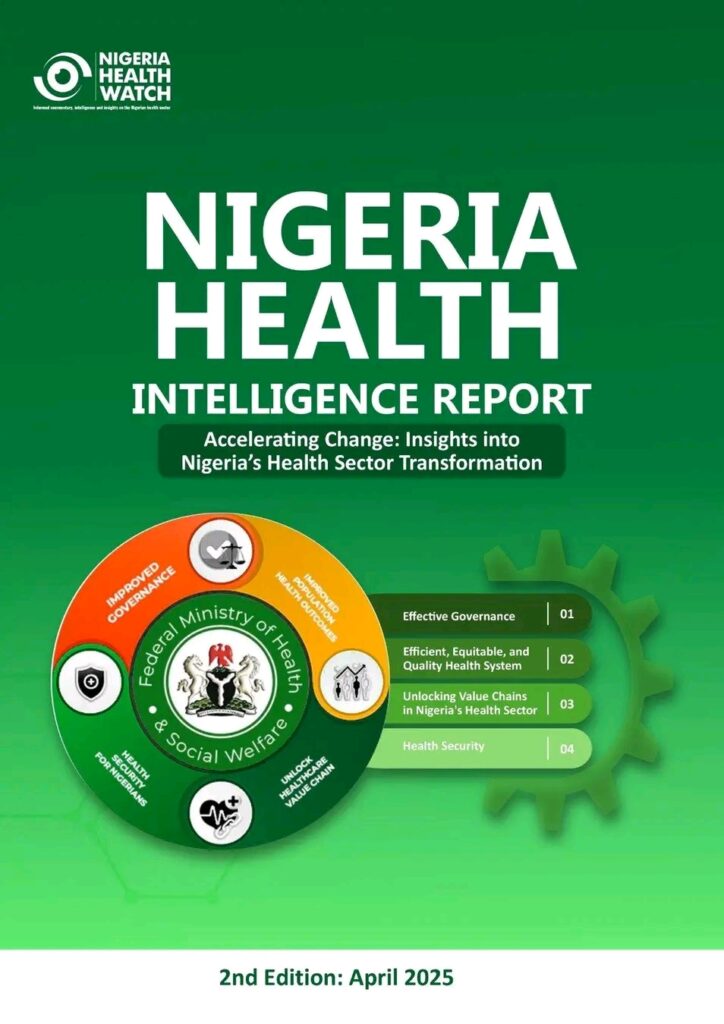
The Federal Government of Nigeria has unveiled a strategic plan to reduce dependence on external health funding while increasing domestic investment and strengthening international partnerships built on mutual respect and shared responsibility.
Speaking at a high-level health security dialogue in Abuja, the Coordinating Minister of Health and Social Welfare, Muhammed Ali Pate, said the country was charting a bold path toward achieving health sovereignty, with a focus on pandemic preparedness and resilient healthcare systems.
COVID-19 Pandemic Exposes System Gaps
Pate noted that while international support over the past three decades had significantly improved healthcare delivery, the COVID-19 pandemic revealed critical weaknesses in health systems globally. He emphasised that over-reliance on foreign aid posed risks, especially during global crises when resources become limited.
According to him, essential health services, including treatment for diseases such as malaria, HIV, and tuberculosis, must remain the responsibility of national governments rather than external donors.
Nigeria Targets Self-Reliance by 2030
The minister disclosed that Nigeria aims to end its dependence on external health financing by 2030. He explained that this would be achieved through a steady increase in domestic funding from both federal and state governments, alongside improved efficiency in resource utilisation.
He stressed that prudent management of local resources could deliver outcomes comparable to international funding while strengthening national ownership, accountability, and equitable access to healthcare.
https://caliphatebroadcast.com/pdp-faction-stands-firm-as-convention-proceeds-as-scheduled/
Strengthening Respect-Based Global Collaboration
Despite the shift toward self-reliance, Pate reaffirmed Nigeria’s commitment to international collaboration. He said the government would continue to engage with global partners, including representatives from China, provided such partnerships respect Nigeria’s policies, laws, and contributions.
He noted that the country was reimagining its role in global health—from a recipient of aid to an active participant shaping partnerships based on mutual benefit.
Commitment to Global Health Solidarity
Pate emphasised that Nigeria remains committed to global solidarity, extending a hand of partnership to nations and organisations willing to collaborate in tackling shared health challenges.
He concluded that by strengthening domestic capacity while fostering balanced international relationships, Nigeria is positioning itself to build a resilient health system that supports both national and global health security.