


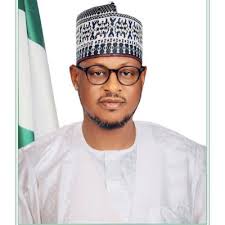
Katsina State Governor, Mallam Dikko Radda, has officially signed the 2026 Appropriation Bill into law, approving a total budget size of ₦897,865,078,282. The signing ceremony took place on Wednesday at Government House Katsina, marking another major step in the state’s financial planning ahead of the new year.
According to the final breakdown of the budget, ₦167,725,372,458, representing 18.68 percent, has been allocated for recurrent expenditure. Meanwhile, ₦730,139,705,823, which represents 81.32 percent, has been reserved for capital expenditure. This allocation shows a clear focus on development projects aimed at improving infrastructure, education, healthcare, agriculture, and security.
Governor Radda praised the Katsina State House of Assembly for passing the budget within just 21 working days after he presented it on November 4, 2025. He described the timely approval as evidence of strong cooperation between the executive and legislative arms of government.
https://caliphatebroadcast.com/kebbi-schoolgirls-regain-freedom-as-atiku-condemns-rising-insecurity/
The governor also noted that this budget records the lowest percentage of recurrent spending in the history of Katsina State. He said the decision reflects the principles established during the administration of the late President Umaru Musa Yar’Adua, where guidelines were introduced to ensure recurrent spending did not exceed 30 percent.
Governor Radda described the 2026 budget as a “people’s budget,” explaining that it was developed based on public input gathered during town hall meetings held across all 361 wards in the state. According to him, involving citizens in the process ensures transparency and allows government spending to match actual community needs and priorities.
Earlier, the Speaker of the State House of Assembly, Nasir Daura, confirmed that the budget was approved without adjustments after a thorough review. He added that lawmakers were confident that the financial plan aligns with the current administration’s long-term development goals.
Implementation is expected to begin in January of the new year.